

 BLOG
BLOG
 GALLERY

 Search
 Links
Links FAQ
FAQ

Moon Plane

I can’t believe I’ve never posted this photo from March – Astrophotography meets Planespotting!
Comments off
I can’t believe I’ve never posted this photo from March – Astrophotography meets Planespotting!
Comments off
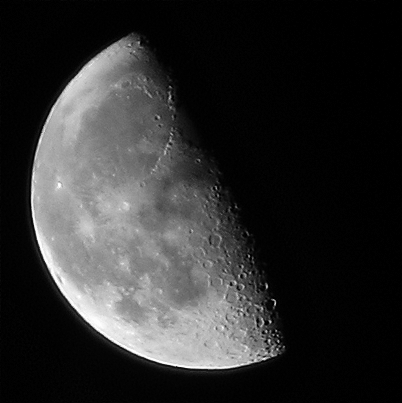
One week after the Supermoon and it’s noticeably smaller now, not only because we see only about half of it! As usual, this is stacked from about 10 images of my Canon Powershot S2 at 12x Zoom.
Comments off
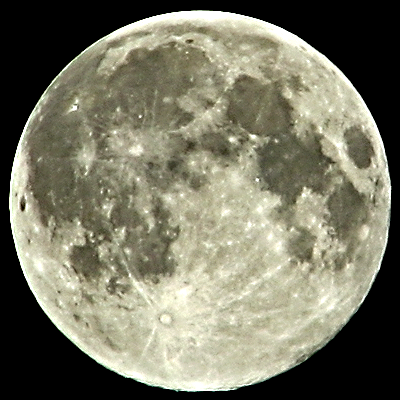
Here’s yesterday’s Supermoon – you can see how big it is because it barely fits into my usual 400×400 pixel frame, the maximum resolution I can get with my camera. I processed this a little bit heavier than usual, because the original looked a little flat. I will also look in my unprocessed Moon shots from this year if there are any earlier full moons suitable for a new Supermoon comparison!
Comments off

Happy Mooniversary! About one and a half hours and 45 years ago, mankind strolled on the Moon for the first time. Because it doesn’t look like we’ll be seeing the Moon tonight due to clouds, here’s the Moon from the night of July 17/18th for the anniversary. As usual, this was shot with my Canon Powershot S5 at maximum zoom, stacked from about 15 images and, for the first time, I used the Wavelet sharpening feature of Registax, which seems to look better than my usual methods.
Comments off
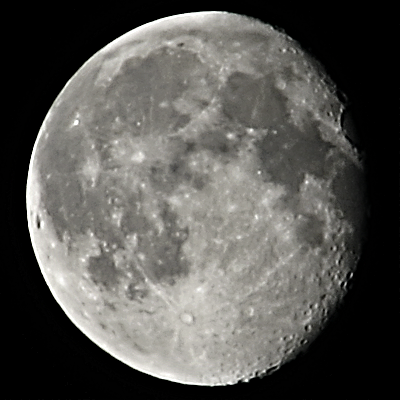
One more Moon from yesterday, a slight improvent to the image I posted last evening. It’s a Supermoon! You can’t really see the difference with your eyes, but it’s definitively noticeable in this 400×400 frame – usually it appears a bit smaller in this. I’m still digging for my earlier Moon photos from this year, but I’m sure I can make a comparison image like I did last year here.
Comments off
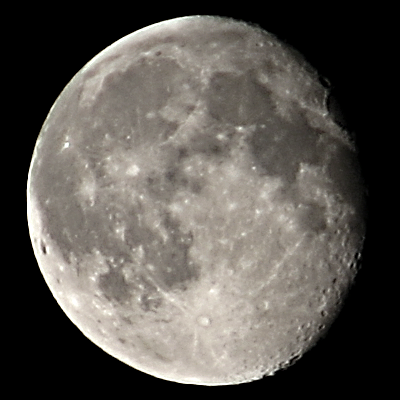
I haven’t posted any Moon photos since last November, mainly because my camera is not really up to it and this is all the resolution I can get. This image from tonight was stacked from ten photos and it’s a little fuzzy because the Moon was still quite low on the horizon. I took some other moon photos a while back, maybe I’ll dig these out and process them soon, too.
Comments off
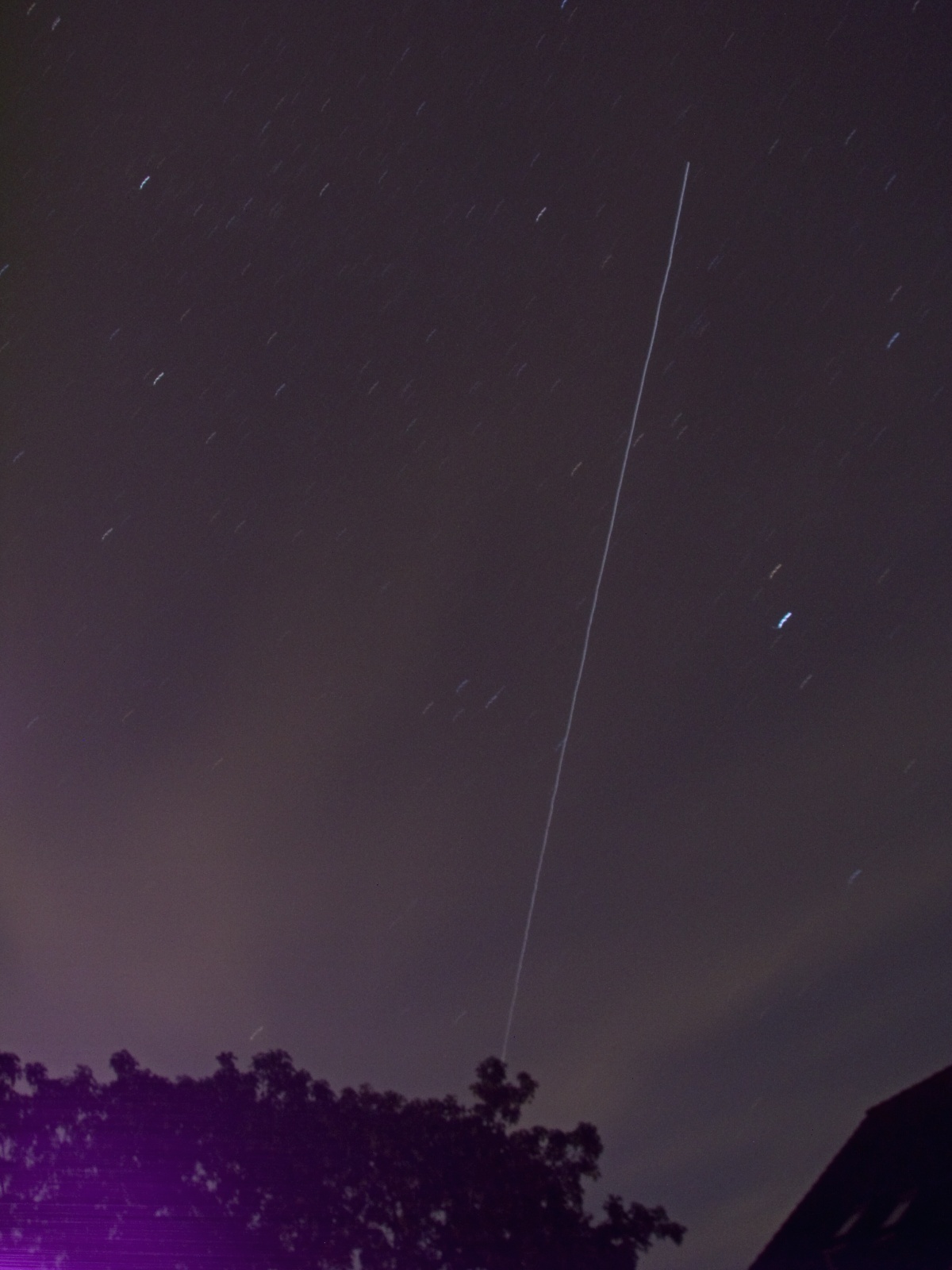
I was lucky last night with the ISS, this is the third of the three visible passes taken at about 01:50 CEST. Some clouds were coming in, but it was still so clear that I didn’t need to do much post-processing to bring out the trail. But this one is again a little wobbly and I have no idea why, since the camera tripod was definitively steady – maybe it has to do with atmospheric turbulences? This is actually a 161-second exposure, but I started it a little too late so the space station didn’t fly into the top of the frame. Maybe this night I’ll finally get a complete flythrough! [Edit: probably not, clouds are coming in and it’s very hazy.]
Comments off
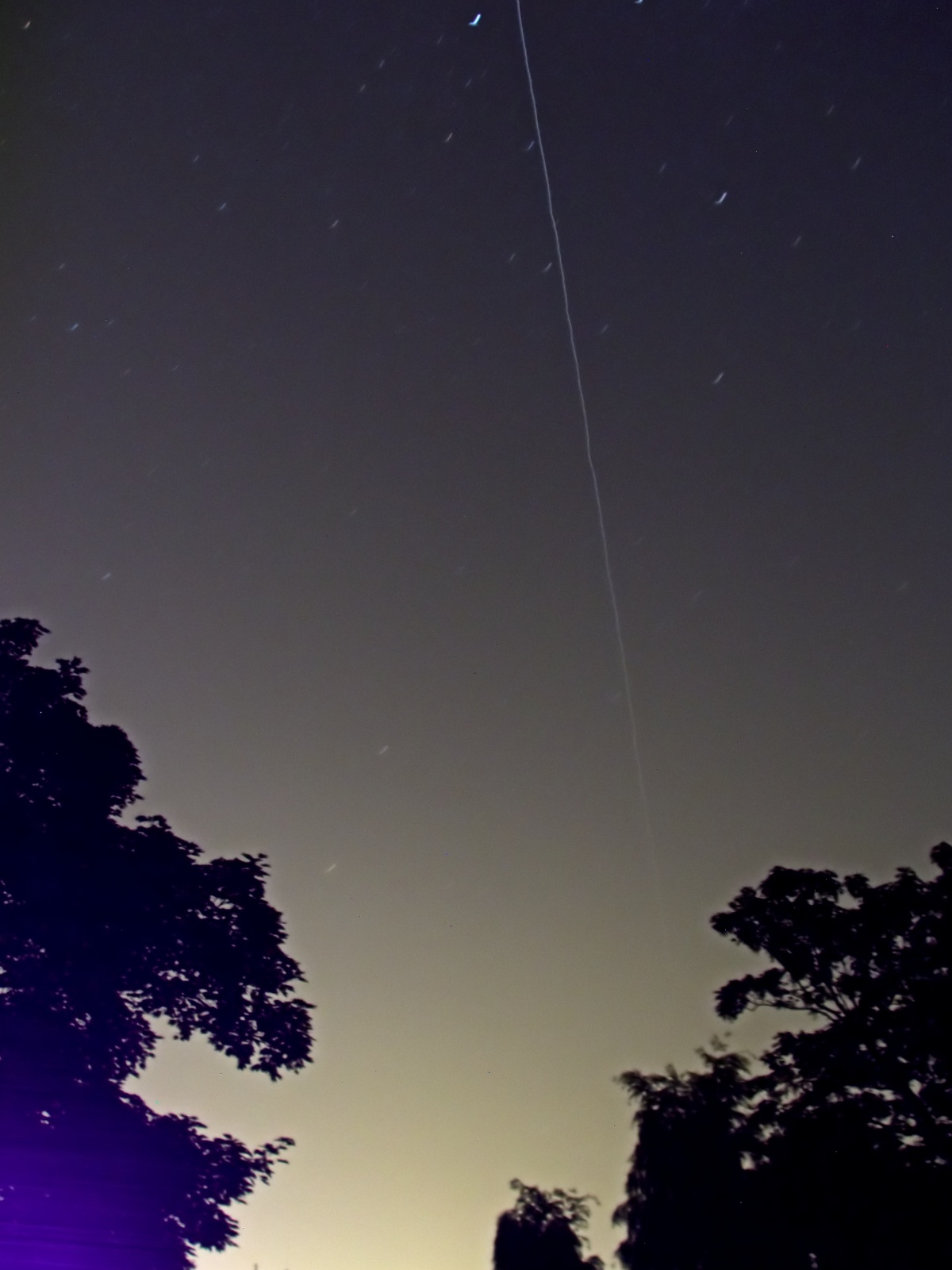
Last night’s second try of capturing the ISS looking directly to the East – this was more difficult to process because the sky was more hazy than before. The light pollution is not really so bad in this direction, it just looks like this because I brightened up the image a little. Because of the portrait orientation, the sensor noise hotspot is now in the lower left corner, where it’s not so annoying. This is another 128-second exposure with the Canon Powershot S5 running CHDK, showing that you don’t really need super-expensive gear to take this kind of photo.
Comments off
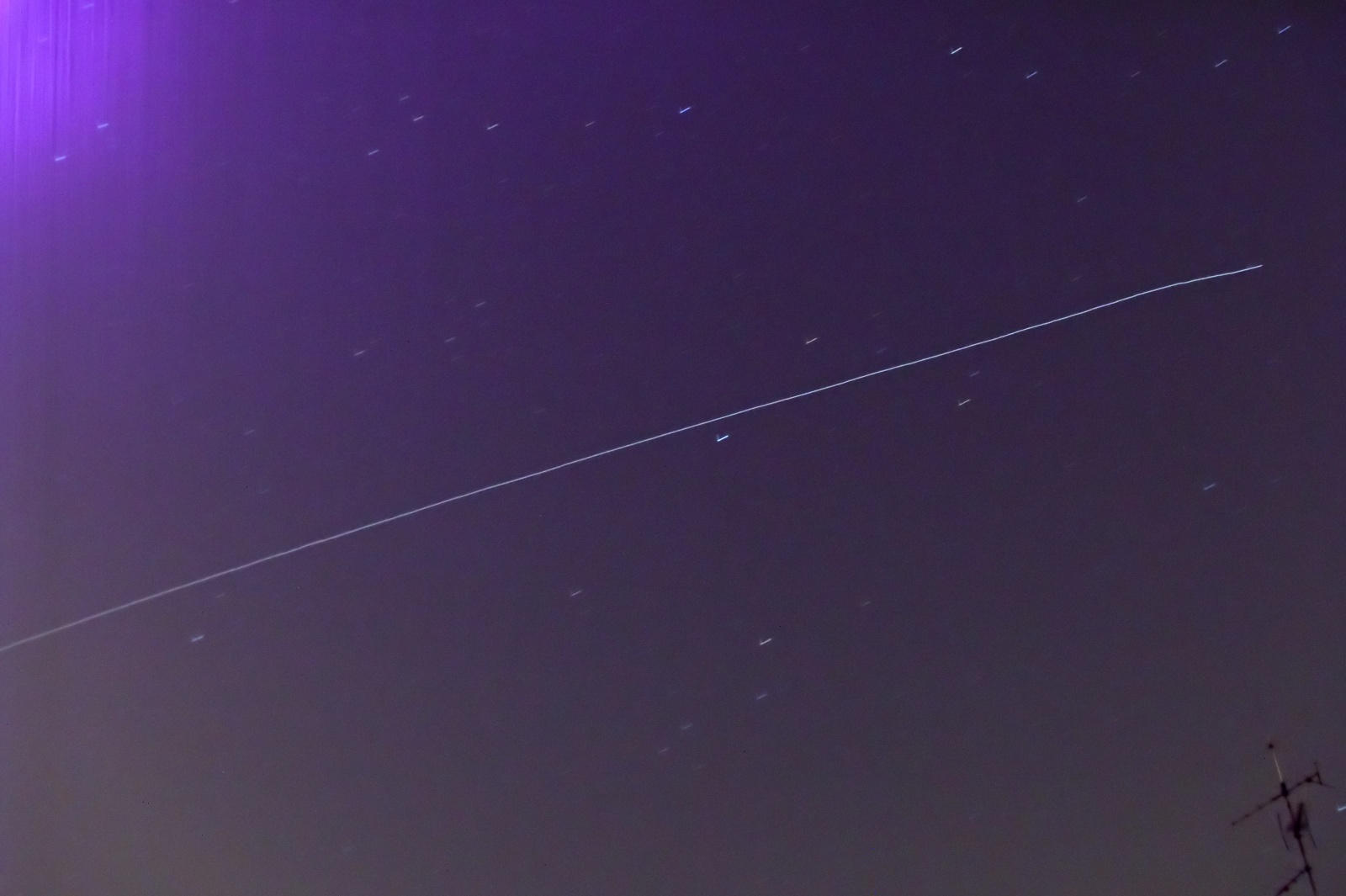
This year’s first try at photographing the International Space Station from the pass at about 00:11 CEST. Yes, I’ve still got the same wobbly tripod, so the trail is a bit wonky, but it basically worked. Bear in mind that this was taken with a Canon Powershot S5 running CHDK in a single 128-second exposure – this camera is not really designed for such long exposure times and this is why you see the bright sensor noise spot in the top left. There’s another pass in less than an hour at 01:46 CEST with the station flying directly overhead which I will also try to get – and hopefully post tomorrow.
Comments off
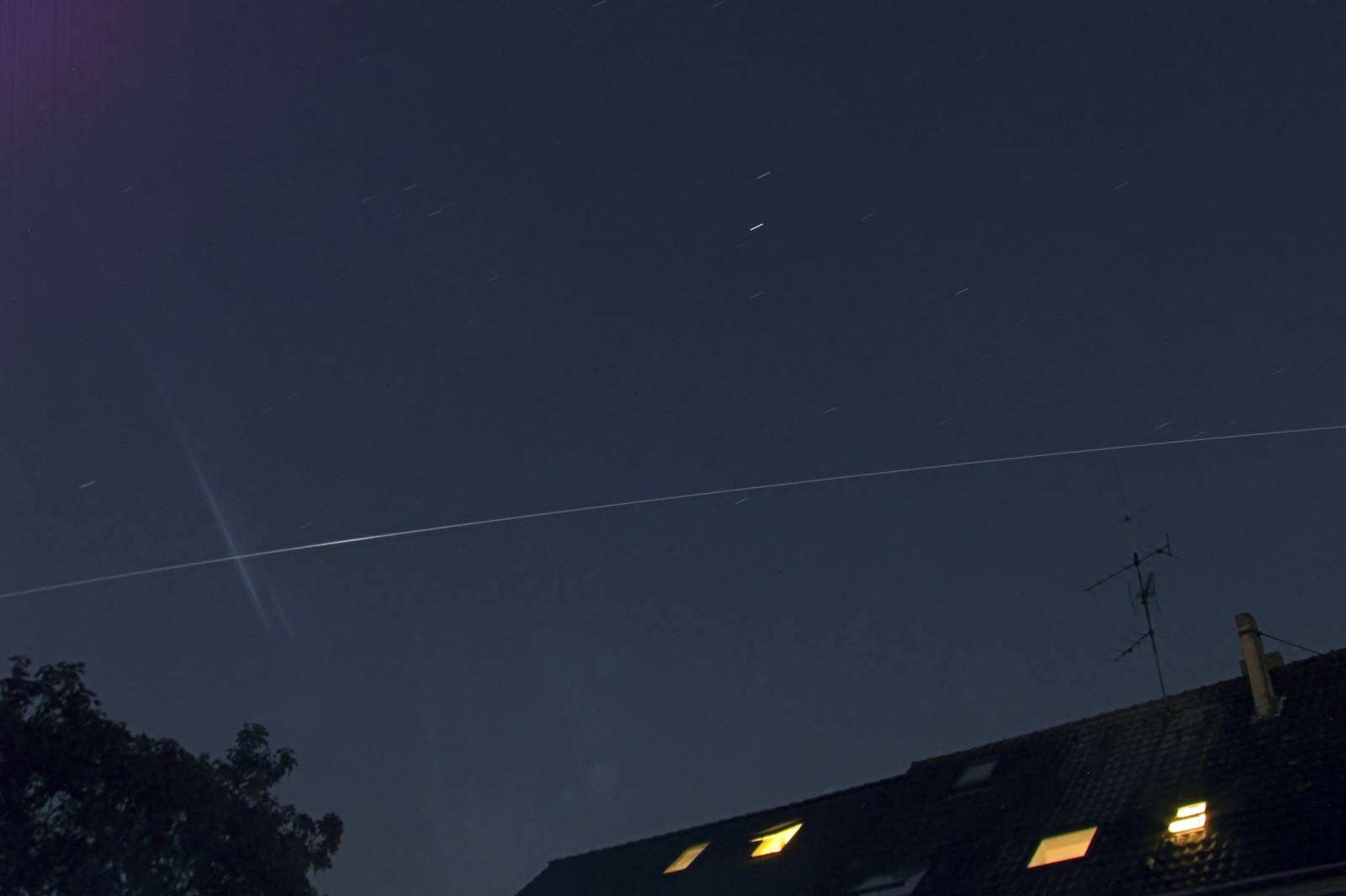
A little basic astrophotography for Yuri’s Night – I’ve now uploaded all my ISS shots from 2013 to a dedicated gallery. The above photo is only one of the twelve and maybe not technically perfect, but still my favourite one because the space station was relatively low on the horizon and you can actually see a little curve in the long exposure. Let’s see what 2014 brings – hopefully clear skies!
Comments off